Cambodia History
Cambodia History
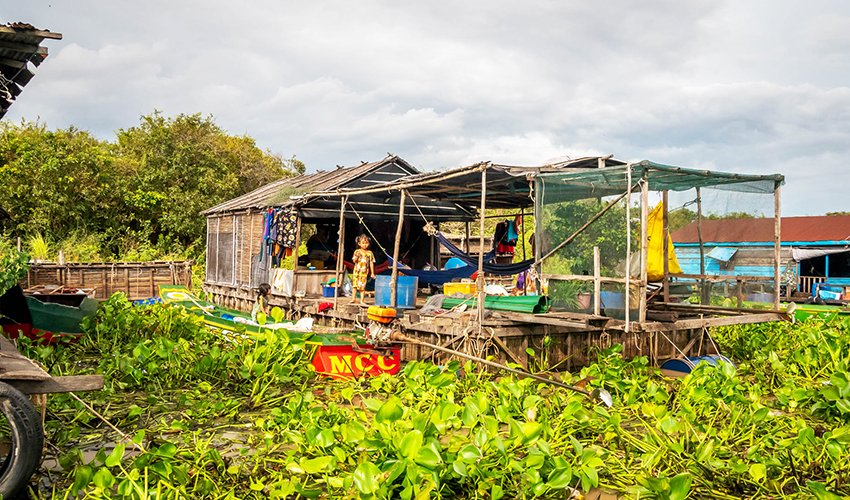
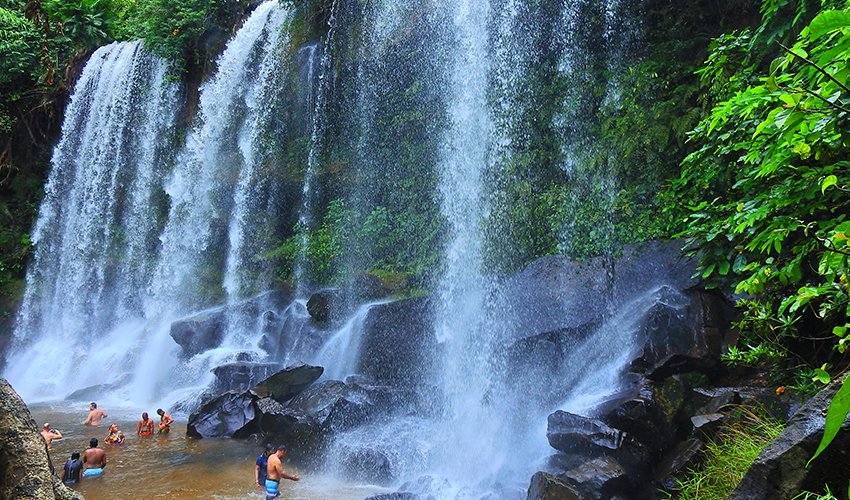
The official name of the country is the Kingdom of Cambodia, located in the southern region of the Indochina Peninsula in Southeast Asia. The country is blessed with a diverse array of tropical flora and fauna, and its rich, long-standing history serves as a captivating attraction waiting to be discovered by travelers.
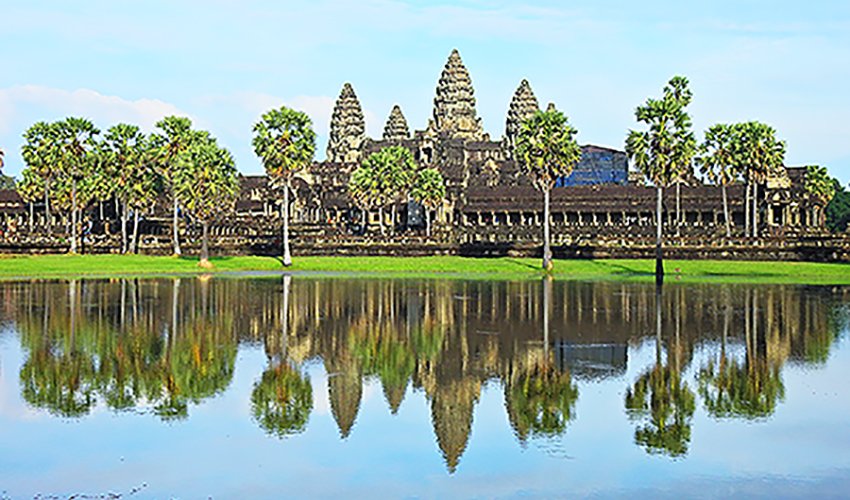
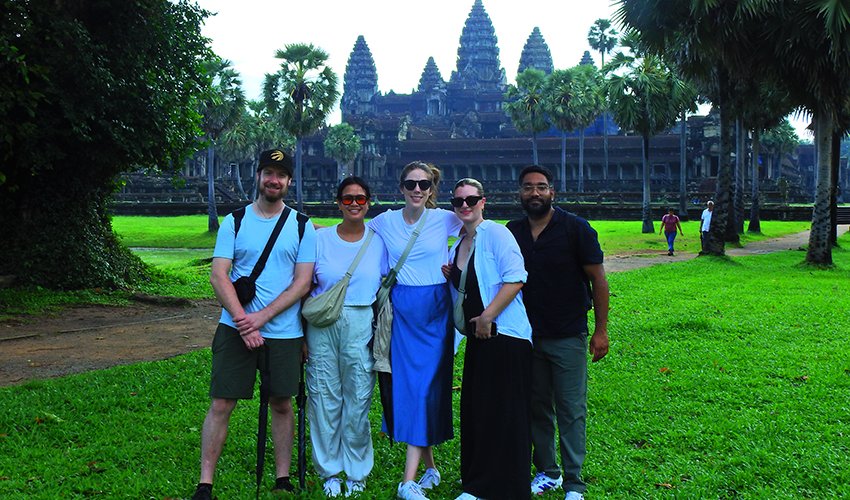
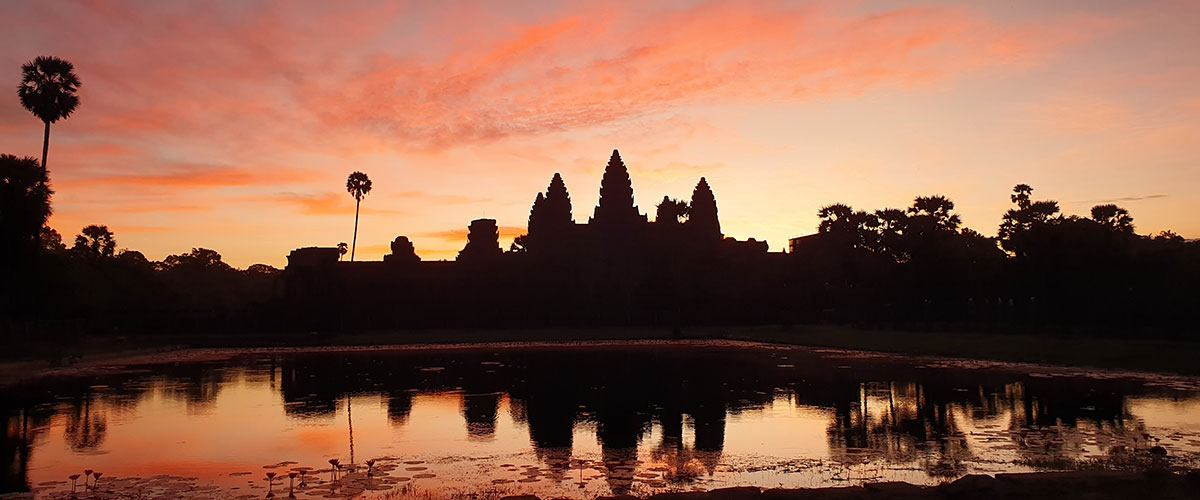
Undoubtedly, Cambodia’s main attractions are the magnificent Angkor temples, renowned for both their immense scale and breathtaking beauty. However, the Kingdom offers far more than just its famous cultural sites; its beauty is scattered across thousands of facets throughout the land. Visitors can cruise down the Mekong and its tributary rivers, go trekking through remote wilderness, or unwind on pristine, secluded beaches.
History and Geography
Moving past its tumultuous history, Cambodia has benefited from decades of relative stability after enduring civil war and the tragic regime of the Khmer Rouge. Today, a lasting era of peace and political stability has taken root across the nation. This provides travelers with unique opportunities to explore the deep heart of the Kingdom, journey through lesser-known regions, and gain a profound understanding of the ancient Angkor civilization.
Geographically, Cambodia shares borders with Vietnam to the east, Laos to the north, and Thailand to the west, with its southwestern coastline meeting the ocean. Administratively, the country is divided into 25 provinces and 1 autonomous municipality (the capital, Phnom Penh). Consequently, tourism has grown into one of Cambodia’s primary industries, with continuous efforts dedicated to promoting the Kingdom as a diverse, unique destination boasting a fascinating cultural heritage.
Population Insight
As of recent demographic updates, Cambodia’s population stands at over 16.7 million people. Statistically, the nation has maintained a steady natural growth rate, with live births consistently outbalancing the mortality rate. Interestingly, the gender ratio sits at approximately 959 males per 1,000 females, reflecting a demographic curve slightly unique compared to the global average.
Best Time to Visit
Cambodia can be comfortably visited at any time of the year. However, the ideal months are December and January, when humidity levels are relatively low, rainfall is minimal, and a cooling breeze sweeps across the landscape. Please note that this is the peak travel season when the majority of international visitors arrive.
-
February to April: Temperatures steadily rise, peaking in April when the mercury can frequently exceed 40°C (104°F).
-
May to October (The Green Season): The southwestern monsoon brings regular rainfall and higher humidity. However, the wet season is still a wonderful time to visit; downpours are usually short and sharp, transforming the foliage around Angkor into a lush, vibrant green and filling the ancient temple moats with water. Note: Travel to isolated, rural areas can become challenging during heavy rains.
Many travelers like to coordinate their itineraries with spectacular annual events, such as Bon Om Touk (the Water Festival) or the Khmer New Year.
Climate Summary
-
The Dry Season (November – April): Driven by the northeast monsoon. November through January brings cooler, pleasant weather, while February through April becomes increasingly hot and dusty. November is typically the coolest month, and April is the hottest.
-
The Wet Season (May – October): Brought on by the southwest monsoon, accounting for roughly 75% of Cambodia’s annual rainfall. July through September are traditionally the wettest months of the year.
Angkor Wat Sunrise Tour
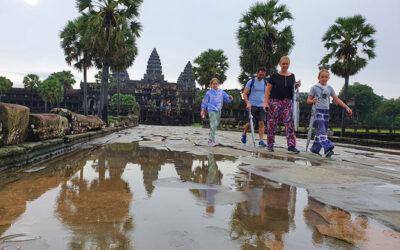
This itinerary is the best choice for visitors wanting to experience the past as they walk through...
Angkor Customize Tour
This customized itinerary explores the most breathtaking highlights of the UNESCO-listed Angkor...
Preah Vihear Temple Tour
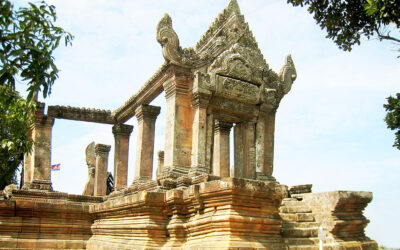
Preah Vihear Cliffside Temple Tour 6:30 AM: Meet your English-speaking tour guide and driver at...